Casting Process Control: Why Consistency Isn’t Enough
Abstract Casting process control is often defined by repeatability—fixed parameters, standard procedures, and consistent simulation outputs. However, repeatability does not guarantee stable results. In practice, many casting processes that appear consistent still produce variable outcomes. Defects move, porosity appears intermittently, and mechanical properties fluctuate. This article explains why casting defects vary even in “controlled” processes … Read more
The Simulation Didn’t Change — The Process Did

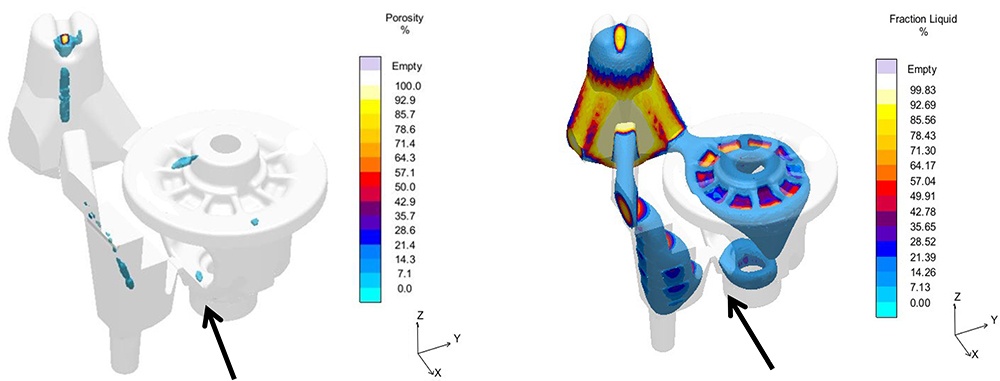
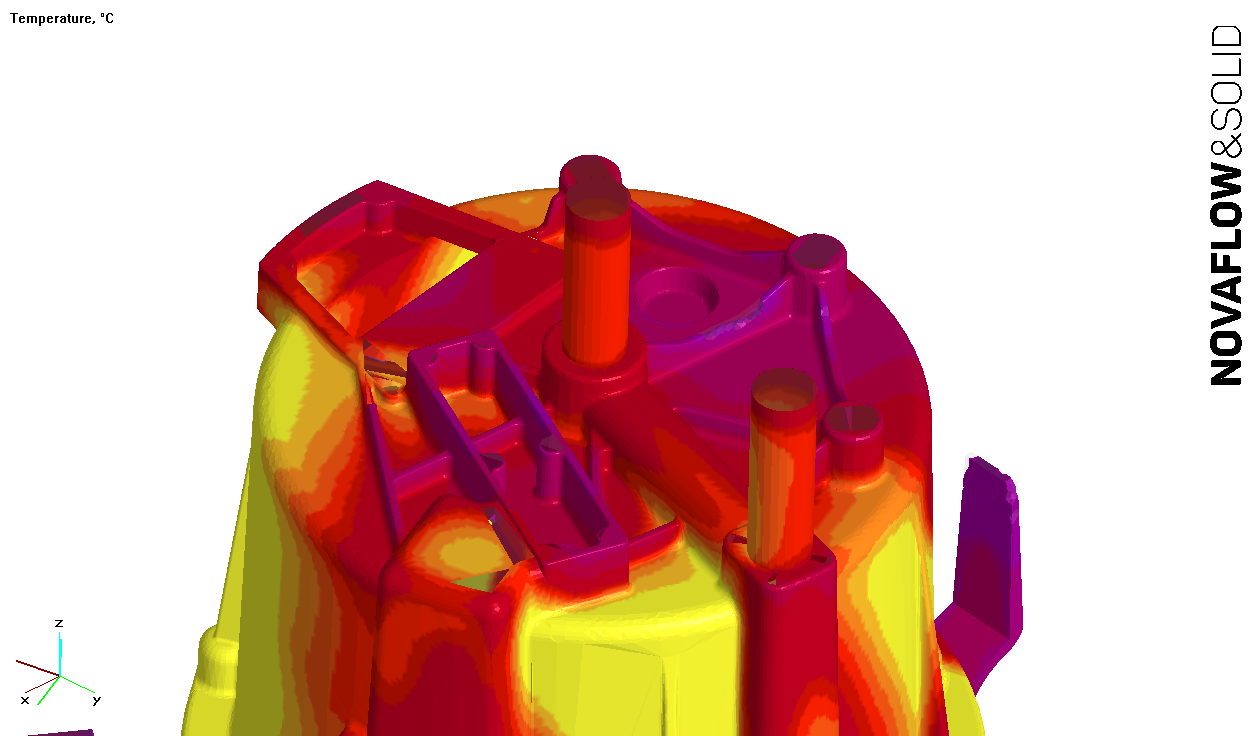
Casting simulation is deterministic. If the geometry, material properties, and boundary conditions are unchanged, the simulation will always predict the same result. The fill pattern will be the same. The solidification path will be the same. The last-to-freeze location will be the same. The predicted shrinkage will be in the same place every time. Yet … Read more

Runner System Design for Gravity Poured Castings

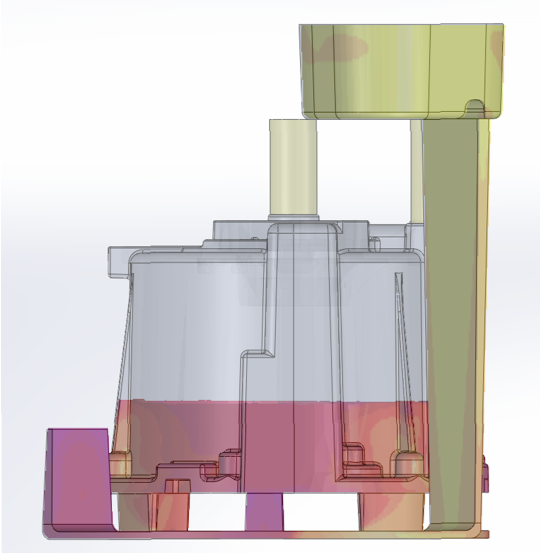
Matching Sprue Velocity and Using Surface Tension to Stabilize Flow 1. Introduction Most runner systems in metal casting are designed using traditional gating ratios that attempt to manipulate metal velocity at various locations within the system. However, these approaches often overlook the fundamental issue of maintaining consistent flow rate through the sprue and runner system. … Read more

BTR Canted Valve LS Cylinder Head

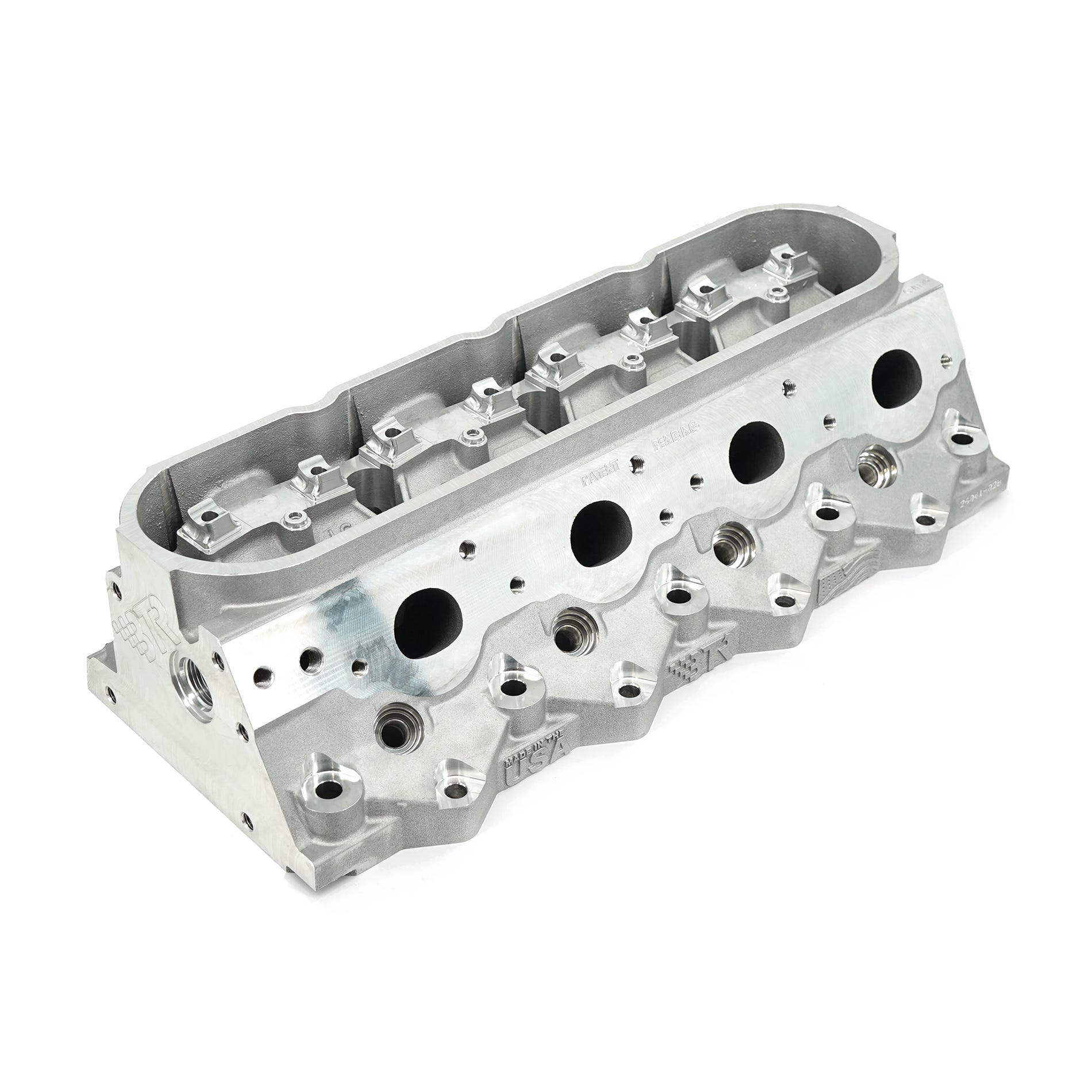
A Collaboration with Brian Tooley Racing Metal Casting Development spent several months supporting the development of the Brian Tooley Racing canted-valve LS cylinder head casting, helping bring a unique high-performance casting to production. This project combined deep racing engine development experience from Brian Tooley Racing with practical casting engineering support to create a cylinder head … Read more

BATNEEC Applied to Foundry Methoding: Cost Reduction by Design

BATNEEC — Best Available Technology Not Entailing Excessive Cost — is one of those regulatory ideas most engineers recognize instinctively, even if they have not encountered the acronym recently. Originating in UK and European environmental regulation, it was intended to prevent poor practice from being defended purely on the basis of cost. Within foundries, BATNEEC … Read more

Casting Done Right

Your pouring basin decides what enters the mold. If your pouring basin is acting like a funnel, it’s doing two things you don’t want: aspirating air, and collecting and delivering oxides/inclusions straight into the sprue. A good pouring basin isn’t a “nice-to-have.” It’s a flow conditioning device. Best practice:Offset pouring basin (not centered over the … Read more

Strontium’s Effect on Micro-Porosity in Aluminum Castings

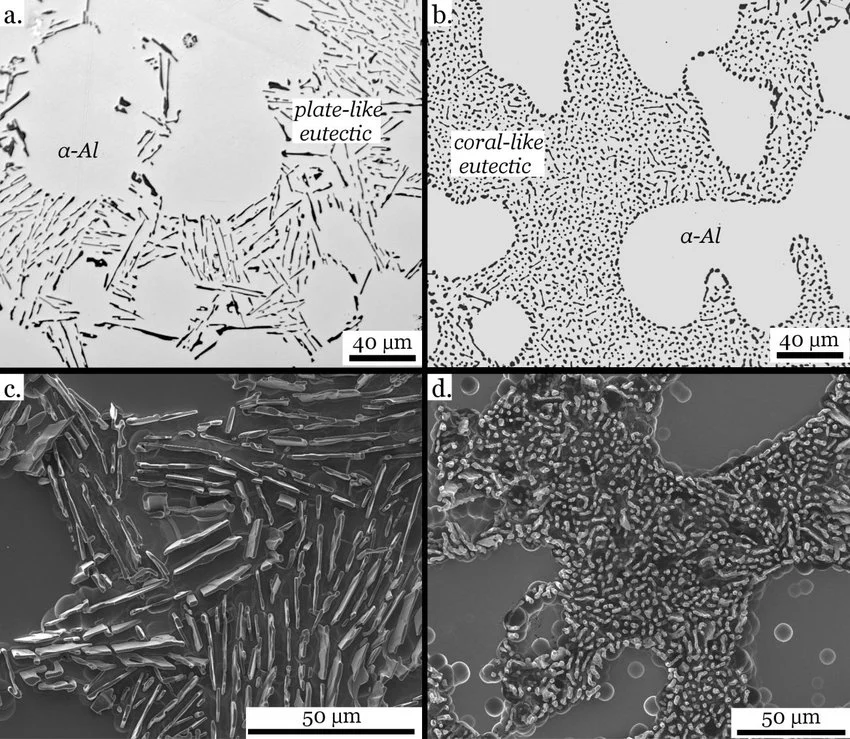
Porosity has long been one of the most persistent quality challenges in aluminum castings. While macro-porosity can often be identified and removed, micro-porosity—tiny voids dispersed within the casting—poses a more insidious threat, reducing mechanical strength, fatigue resistance, and leak tightness. Among the many factors influencing porosity, the addition of Strontium (Sr), a widely used eutectic … Read more

Design by Analysis: The Foundation of Reliable Casting Manufacture

In modern foundry engineering, “design by analysis” has replaced “design by experience” as the foundation of high-integrity casting manufacture. Gone are the days when gating and riser layouts were drawn from rule-of-thumb. Today, every successful casting begins with data — simulation, metallurgical modeling, and a deep understanding of how molten metal behaves as it fills and solidifies. At Metal Casting … Read more

Why Correct Identification of Casting Defects Is Critical for Effective Solutions

Introduction Casting is one of the oldest and most versatile manufacturing processes, but it comes with a challenge every foundry engineer knows well: defects. From surface blemishes to hidden internal flaws, defects reduce yield, increase scrap, and can compromise safety if undetected. What often gets overlooked is this: it’s not enough to just notice a defect … Read more

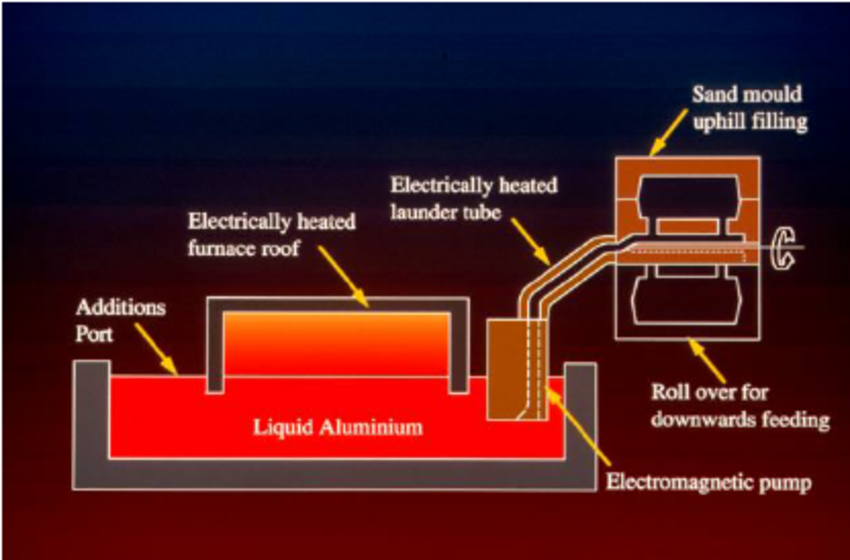
Evolution of the Cosworth Casting Process.

Preserving the Core Tenets of Bottom Fill, Quiescent Metal Control, and Zircon Mold Precision 1. Introduction Frustrated by the constant failure of Aluminum cylinder heads, Cosworth Engineering asked Professor Campbell to develop a new casting process in the late 1970s. The resulting Cosworth Casting Process set a new standard for producing high-integrity aluminum castings for … Read more