Metal Casting Development provides casting simulation services and engineering support for foundries, OEMs, and manufacturers developing complex cast components.
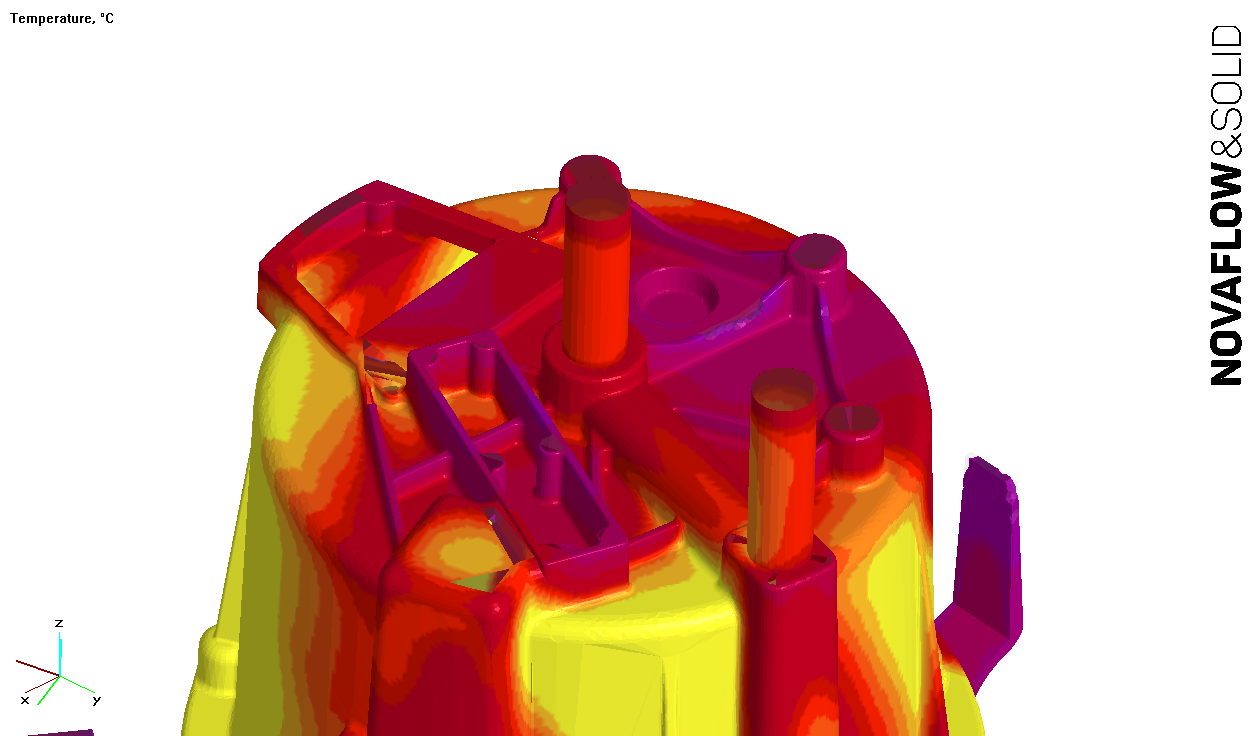
Using industrial mold filling and solidification simulation tools, MCD supports process development, gating optimization, defect reduction, and production-focused engineering validation from early concept through launch and production support.
Faster Iteration. Lower Risk.
Modern casting development programs move quickly, and tooling changes late in development are expensive. Simulation allows process decisions to be evaluated earlier, reducing uncertainty before tooling release and helping identify potential filling, feeding, and thermal issues before they become production problems.
Practical Simulation — Production Focused
Simulation is most valuable when it is tied directly to manufacturing reality. The objective is not simply to produce flow animations or colorful plots, but to develop casting processes that are stable, manufacturable, and capable of producing consistent quality in production. MCD combines simulation capability with practical foundry engineering experience to evaluate how gating design, thermal behavior, mold filling, feeding strategy, and process variation interact under real manufacturing conditions.
Casting Simulation Services
Simulation support can be provided as part of a complete casting development program or as independent engineering support for existing production and launch activities. Services include mold filling analysis, solidification modeling, gating and runner development, shrinkage prediction, feeding optimization, turbulence reduction, process validation, tooling review, and casting defect investigation. Support can range from rapid single-component assessments through complete simulation-driven process development programs.
Typical Casting Development Applications
- New casting development
- Prototype-to-production transition
- Gating and feeding optimization
- Production defect reduction
- Yield improvement programs
- Structural casting development
- Process transfer between foundries
- Tooling validation before release
- Independent process review
Supporting Foundries, OEMs, and Suppliers
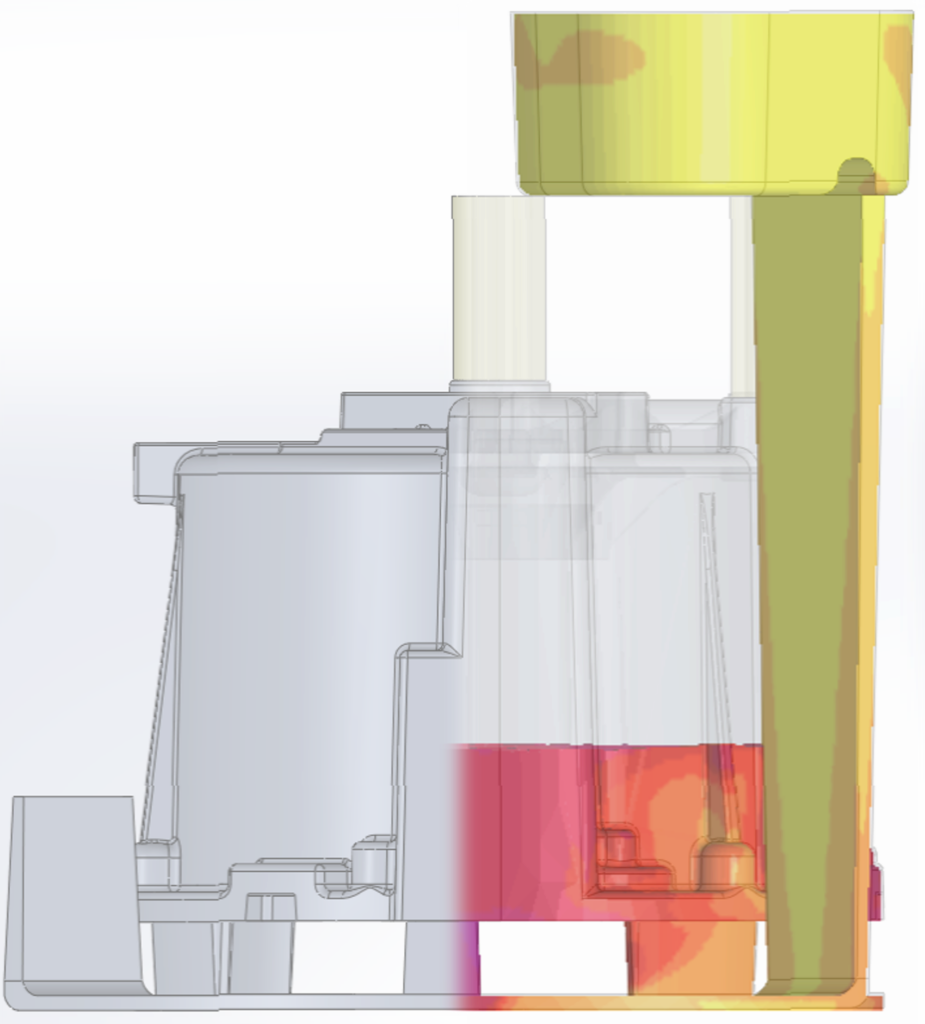
Many organizations either do not maintain dedicated in-house simulation capability or lack available engineering bandwidth during active development programs. MCD provides flexible external simulation support that can integrate directly with foundry, tooling, and product engineering teams without the overhead of maintaining internal software, hardware, and specialist simulation resources. This allows simulation to be deployed quickly where it adds the most value — reducing development risk, shortening iteration cycles, and improving process confidence before production tooling is committed.
Casting Process Development
Simulation is integrated into a broader engineering approach focused on developing robust casting processes rather than isolated theoretical models. Areas of support include gating and feeding system development, controlled-flow filling strategies, thermal balancing, yield improvement, launch support, process stabilization, and prototype-to-production transition. Particular focus is placed on reducing turbulence, improving feeding behavior, minimizing process sensitivity, and developing processes that remain stable under normal manufacturing variation.
Independent Technical Support
As an independent engineering organization, MCD is able to support customers objectively across foundries, suppliers, and manufacturing programs. Simulation work remains focused on engineering performance, manufacturability, process robustness, and production outcomes rather than internal organizational constraints or software-driven outputs. Support can be provided remotely or on-site depending on program requirements, including direct collaboration with foundry engineering, tooling suppliers, machining teams, and OEM development groups.
Why External Simulation Support
Foundry simulation is often performed under aggressive timing constraints while balancing tooling release schedules, production pressures, yield targets, and internal resource limitations. Independent simulation support provides additional engineering bandwidth and allows process concepts, gating strategies, and production assumptions to be evaluated from a purely technical perspective. MCD works alongside foundries, OEMs, and suppliers to support faster development cycles, reduce iteration risk, and provide focused engineering support during critical stages of casting development and launch.
Discuss Your Casting Program
Whether you are developing a new casting, troubleshooting production instability, validating tooling before release, or evaluating process improvements, Metal Casting Development can provide simulation-supported engineering focused on practical production outcomes. Early process validation and simulation-driven development can significantly reduce launch risk, tooling changes, scrap generation, and development time while improving overall process confidence.